
Unbelonging: Reclaiming Self After Community Rejection Through Internal Family Systems (IFS)
What is Unbelonging?
Unbelonging isn't simply conflict with another person.
It's the experience of losing safety, connection, or identity in places where belonging was expected—families, communities, schools, workplaces, faith traditions, or cultures. While personal conflict affects relationships, unbelonging often affects identity itself.
Why I Created This Workshop
One of the deepest wounds many people carry isn't simply rejection by another person—it's the experience of no longer feeling like they belong.
Sometimes that rejection happens within families. Sometimes it comes from schools, workplaces, faith communities, friendships, or larger cultural systems. Whatever the source, the message can become internalized:
"I'm too much."
"I'm not enough."
"I have to hide who I am to be accepted."
As an Internal Family Systems (IFS) therapist—and someone whose own life has been shaped by hearing loss, late-identified AuDHD, chronic illness, and experiences of feeling misunderstood—I wanted to explore how communal rejection affects our internal systems and how healing can begin.
About the Conference Presentation
In 2025, I had the privilege of presenting this workshop at the Annual Internal Family Systems Conference to fellow IFS therapists
from around the world.
The presentation explored:
communal rejection
systemic shame
legacy burdens
masking
neurodivergence
identity
belonging
Internal Family Systems as a pathway toward healing.
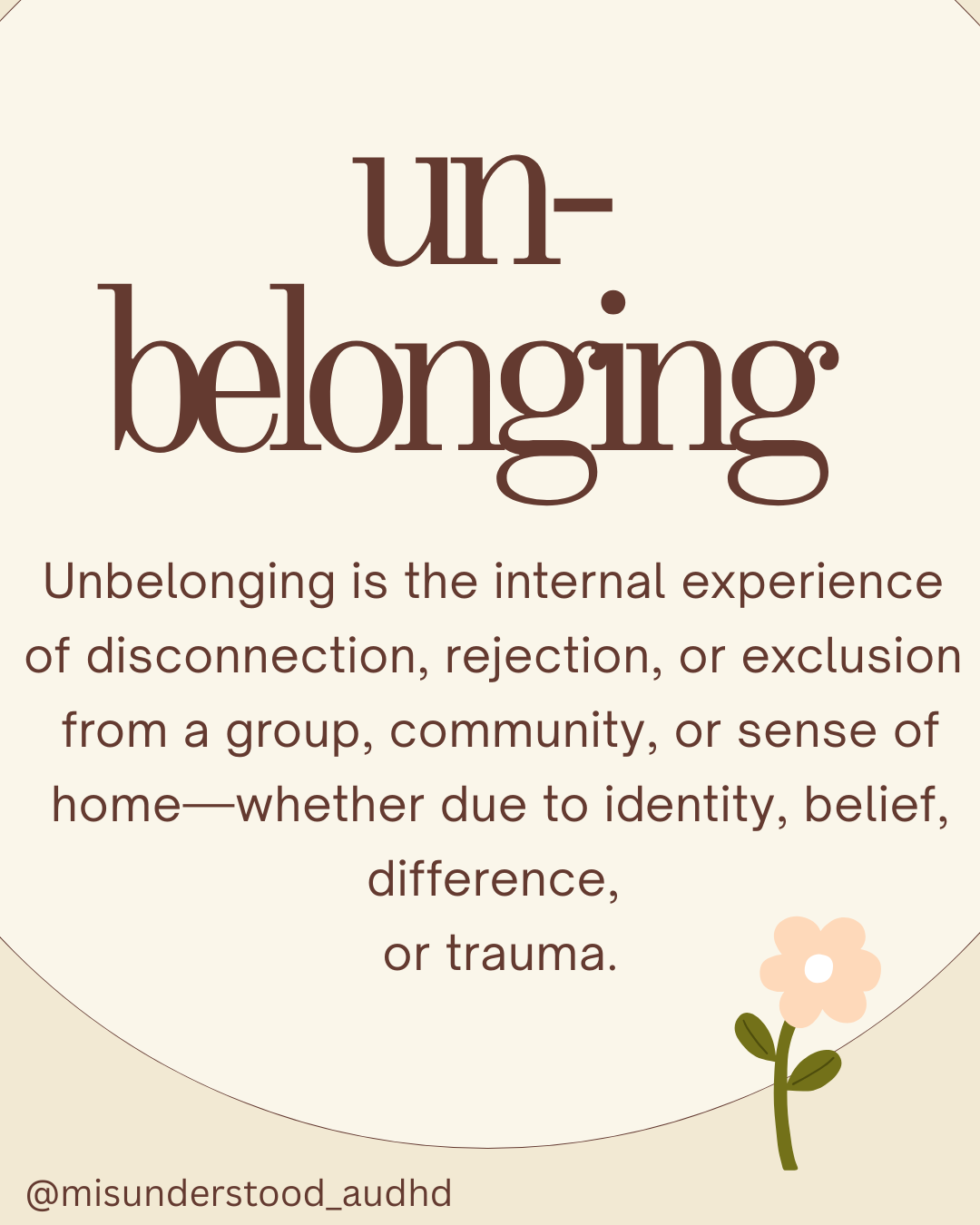
Figure 1. A working definition of unbelonging used in my clinical work and expanded upon in my 2025 International Internal Family Systems (IFS) Conference presentation.
An IFS Perspective
From an Internal Family Systems perspective, repeated experiences of rejection often create predictable protective patterns.
Exiles may begin carrying beliefs such as:
I'm too much.
I'm not enough.
Something is wrong with me.
Protective parts may respond by:
masking
perfectionism
people pleasing
overexplaining
withdrawing
becoming hypervigilant
Healing isn't about convincing these parts they're wrong.
It's about helping them feel understood, witnessed, and no longer alone.
Common Experiences of Unbelonging
Autism
ADHD
AuDHD
Hearing loss
Chronic illness
Eating disorders
Community rejection
Religious rejection
Family rejection
Workplace rejection
Presented at the 2025 Annual Internal Family Systems (IFS) Conference by Lisa Giles, LMFT
Why This Matters for Neurodivergent Adults
Many autistic and ADHD adults spend years trying to earn belonging by masking.
When misunderstanding continues despite enormous effort, the nervous system may conclude:
"Even when I try my hardest, I still don't belong."
That ongoing cycle of masking, misunderstanding, and rejection can become exhausting and deeply painful.
If experiences of rejection, masking, or feeling misunderstood have shaped your life, therapy can offer a space where every part of you is welcome. I provide virtual IFS therapy for adults throughout California.
FAQs
What does unbelonging mean?
What causes feelings of unbelonging?
Can neurodivergent adults experience chronic unbelonging?
Can therapy help someone who has always felt like they don't belong?How does Internal Family Systems help with feelings of unbelonging?